Adjusting Sewing Patterns for Fit: A Step-by-Step Guide
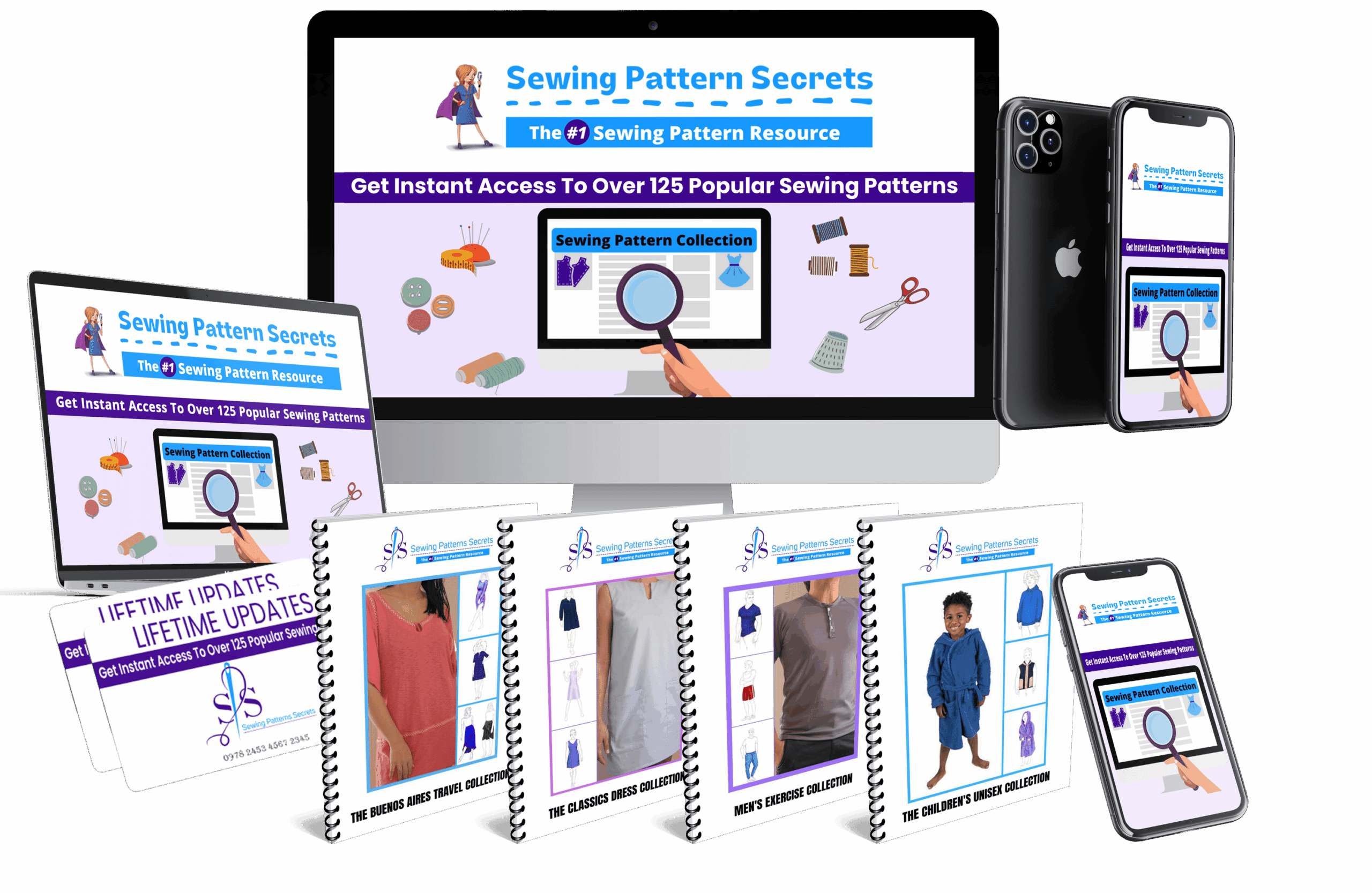
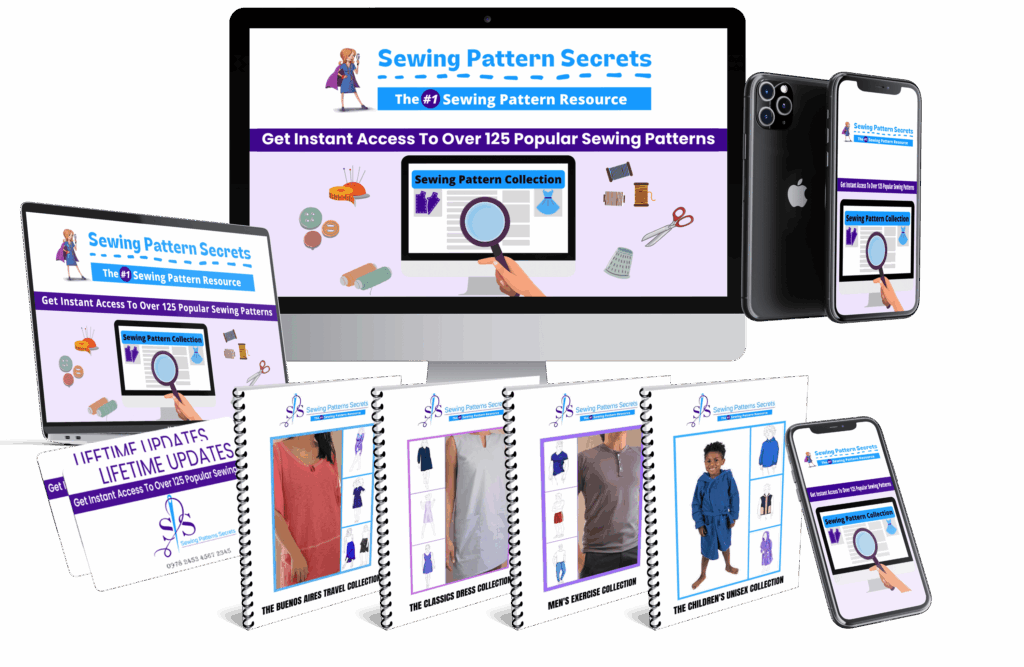
Sewing Pattern Secrets!
Looking for an honest, in-depth look at Sewing Pattern Secrets!? Below you’ll find a full review, but you can also check out the official page here:
Getting the perfect fit from your sewing patterns can transform your garments from “just okay” to truly custom-made. Whether you’re sewing for yourself or others, understanding how to adjust sewing patterns for fit is essential. This guide will walk you through the process of pattern grading, sewing pattern alterations, and achieving custom fit sewing results that flatter every body.
Disclosure: As an affiliate, I may receive a commission if you purchase through links on this page at no cost for you.
Why Adjust Sewing Patterns for Fit?
Sewing patterns are designed to fit a standard set of measurements, but individual bodies vary widely. Without adjustments, your finished garment might be too tight, too loose, or misshapen in certain areas. Adjusting patterns ensures comfort, mobility, and a polished look. It also helps avoid wasting fabric and time on projects that don’t fit well.
Key Concepts: Pattern Grading and Sewing Pattern Alterations
Pattern grading is the process of scaling a pattern up or down to different sizes while maintaining the design’s proportions. It’s typically done by professionals but understanding grading helps you make size adjustments confidently.
Sewing pattern alterations are modifications made to the pattern to better fit individual measurements. These can include lengthening or shortening, adjusting bust, waist, hips, or shoulders, and modifying darts or seams.
Step-by-Step: How to Adjust Sewing Patterns for Fit
- Take Accurate Body Measurements
Use a flexible tape measure and note key measurements: bust, waist, hips, shoulder width, arm length, and torso length. It’s helpful to have someone assist you for accuracy. - Compare Your Measurements to the Pattern
Find the size on the pattern that best corresponds to your measurements. Usually, patterns provide a size chart—use this as your starting point. - Make a Muslin or Test Garment
Before cutting into your final fabric, sew a test version using inexpensive fabric. This sample will reveal where the fit needs improvement. - Mark Fit Issues on the Muslin
Pin or mark areas that feel too tight, loose, short, or long. Common trouble spots include the bust, shoulders, waist, and hips. - Adjust the Pattern Pieces
Using your muslin feedback, modify the pattern. For example:- To lengthen or shorten, cut the pattern horizontally and spread or overlap the pieces accordingly.
- To increase bust or hip circumference, add width evenly along side seams or darts.
- For shoulder adjustments, reshape the shoulder seam or armhole curve.
- Test the Adjusted Pattern
Sew another muslin with the altered pattern to confirm the fit improvements. Repeat the adjustment process as needed. - Finalize and Sew Your Project
Once satisfied with the fit, cut and sew your garment using your chosen fabric.
Common Mistakes to Avoid When Adjusting Patterns
- Skipping the Muslin Test: Jumping straight to final fabric can lead to costly mistakes.
- Not Measuring Correctly: Inaccurate measurements lead to poor fit adjustments.
- Changing Multiple Areas at Once: Adjust one area at a time to pinpoint fit issues.
- Ignoring Fabric Type: Stretchy or stiff fabrics affect fit differently—account for fabric behavior.
- Over-Altering: Small tweaks often suffice; excessive changes can distort the design.
Troubleshooting Fit Problems
| Problem | Possible Cause | Suggested Adjustment |
|---|---|---|
| Garment too tight across bust | Pattern bust measurement too small; insufficient ease | Slash and spread bust area; add width to side seams or darts |
| Shoulder seams slipping off | Shoulder width too broad; armhole too large | Take in shoulder seams; reshape armhole curve |
| Waistline too loose | Waist measurement larger than pattern size | Take in side seams at waist; add darts if needed |
| Garment too short or long | Incorrect torso or sleeve length | Lengthen or shorten pattern pieces at designated adjustment lines |
Tips for Achieving Custom Fit Sewing
- Use Clear Markings: Transfer all pattern markings to fabric for precise sewing.
- Consider Ease: Allow enough ease for movement; patterns usually include this, but personal preferences vary.
- Make Incremental Changes: Adjust in small amounts and test frequently.
- Keep Notes: Document your alterations for future projects.
- Practice Pattern Grading: Learn basic grading techniques to scale patterns for family or different sizes.
Adjusting sewing patterns for fit is a skill that improves with practice and patience. By following these steps and avoiding common pitfalls, you’ll create garments that look custom-made and feel comfortable.
Get Sewing Pattern Secrets Now – Save Time & Sew Perfect Fits!
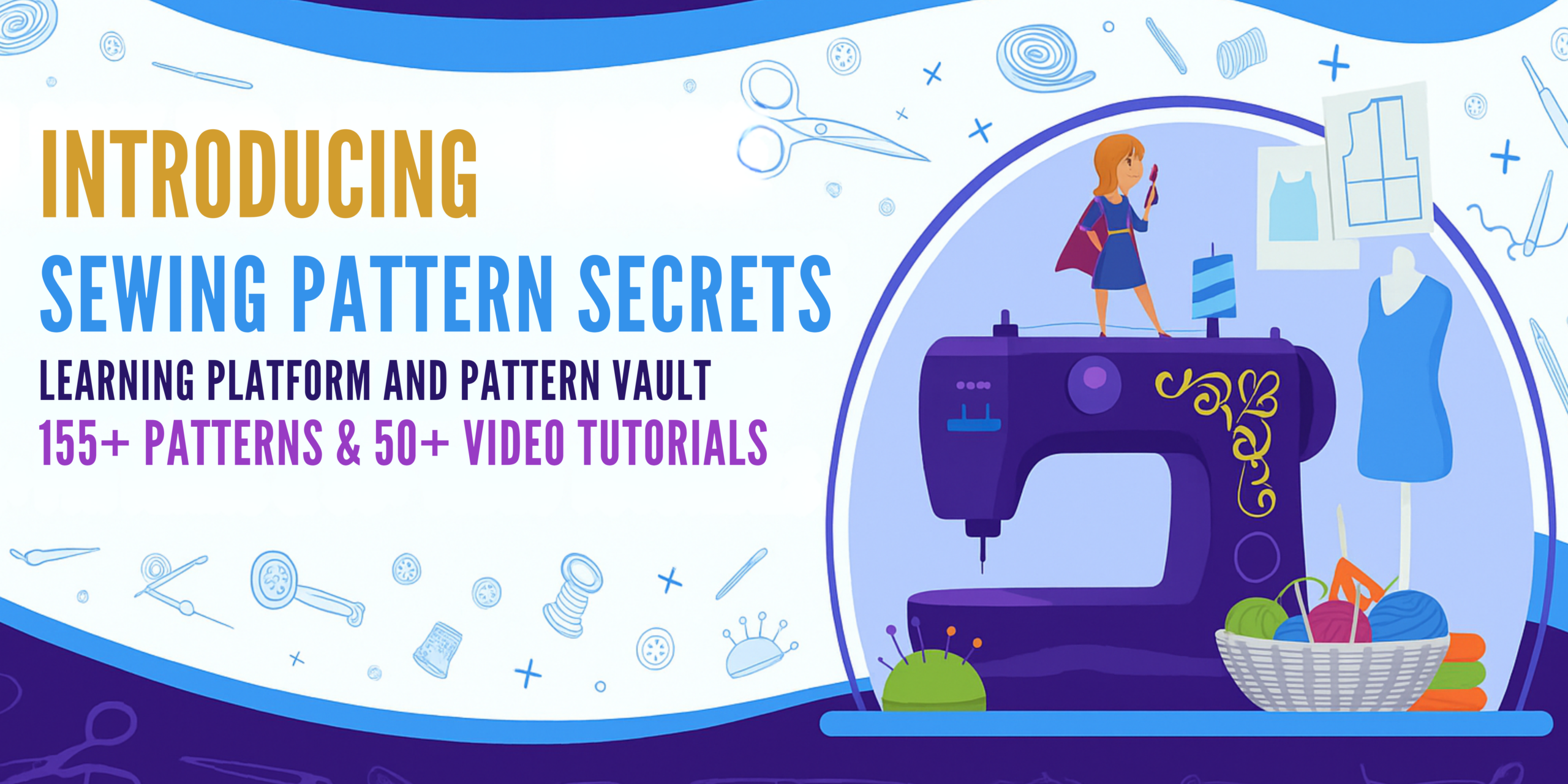
Ready to master custom fit sewing with professionally designed patterns? Sewing Pattern Secrets! offers over 155 patterns with step-by-step instructions and detailed grading to help you sew faster and better.
Claim Your Discount & Start Sewing Today!
Ready to Take the Next Step?
If Sewing Pattern Secrets! sounds like the right fit after reading this review, you can visit the official page and see all the details straight from the vendor.