How to Read Sewing Patterns: A Beginner’s Guide to Sewing Pattern Basics
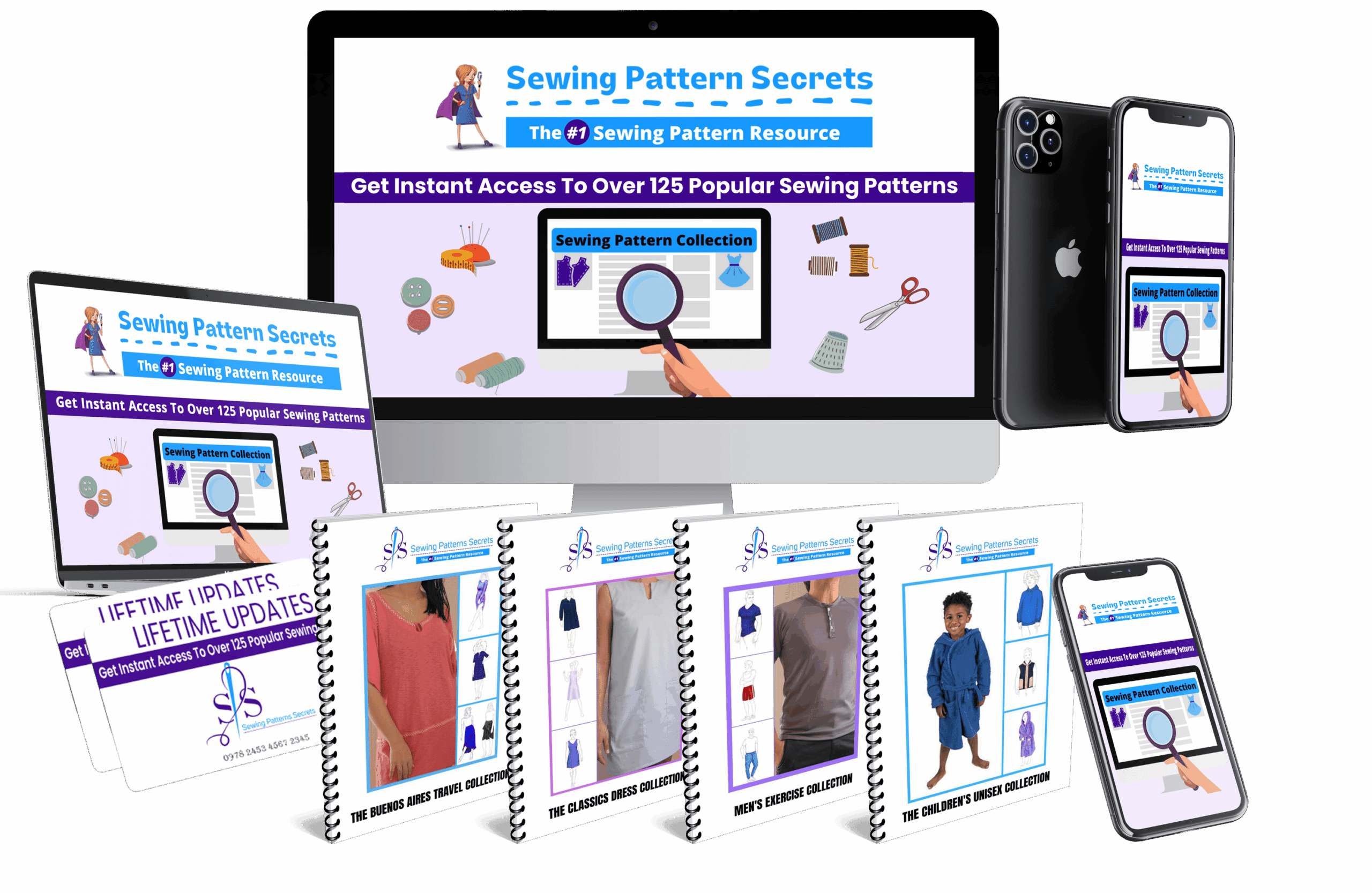
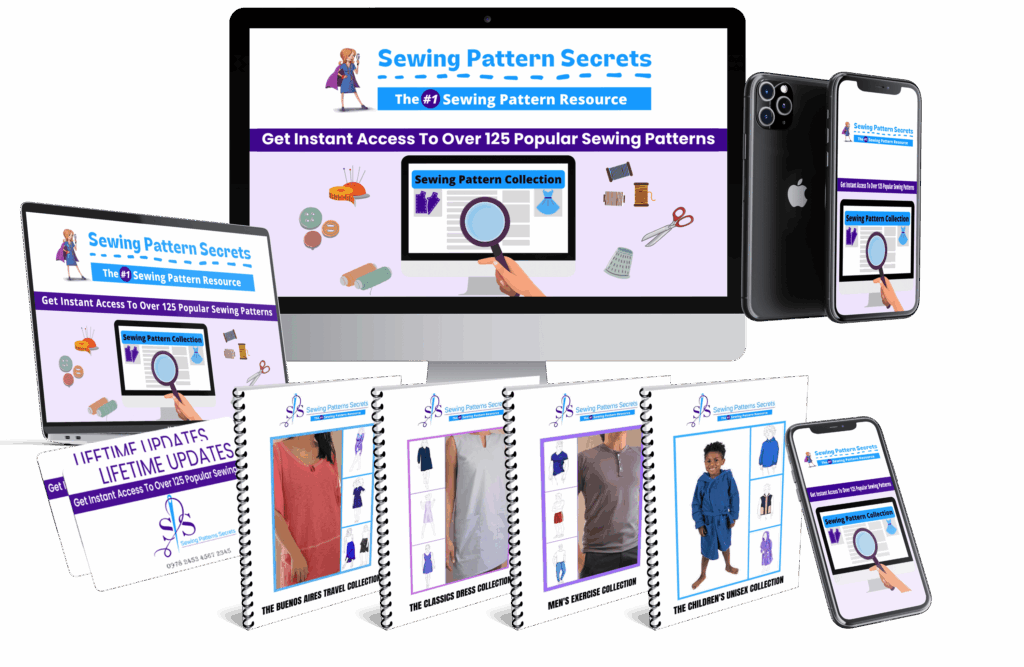
Sewing Pattern Secrets!
Looking for an honest, in-depth look at Sewing Pattern Secrets!? Below you’ll find a full review, but you can also check out the official page here:
Learning how to read sewing patterns is an essential skill for anyone looking to create beautiful, well-fitting garments and crafts. Whether you’re a newbie or have some sewing experience, understanding sewing pattern symbols and sewing pattern markings can save you time, reduce frustration, and improve the quality of your projects.
Disclosure: As an affiliate, I may receive a commission if you purchase through links on this page at no cost for you.
What Are Sewing Patterns?
Sewing patterns are templates used to cut fabric pieces that will be sewn together to make clothing or other textile projects. They include outlines for each part of the garment and detailed instructions to guide you through the construction process.
Mastering sewing pattern basics involves knowing how to interpret the symbols, markings, and instructions provided, so you can accurately follow the pattern and achieve professional results.
Step 1: Familiarize Yourself with Sewing Pattern Symbols
Every sewing pattern uses a set of standardized symbols to communicate important information. These symbols indicate where to cut, fold, stitch, or add details like darts and pleats. Here are some common sewing pattern symbols you should know:
- Cutting lines: Solid or dashed lines showing where to cut fabric pieces.
- Grainline arrow: A double-ended arrow indicating the direction of the fabric grain for proper drape and stretch.
- Notches: Small triangles or diamonds on the edges of pattern pieces used to align fabric pieces correctly.
- Darts: Triangular or diamond shapes that shape the fabric around curves like busts or waists.
- Fold line: A line marking where the fabric should be folded before cutting to create symmetrical pieces.
- Button and buttonhole placement: Symbols indicating where to sew buttons or cut buttonholes.
Step 2: Understand Sewing Pattern Markings
Markings on sewing patterns are visual cues that help you assemble the garment correctly. Here’s what to look out for:
- Seam allowance: The extra fabric outside the cutting line, usually ⅝ inch, reserved for stitching seams.
- Placement lines: Lines that show where to attach pockets, zippers, or other details.
- Matching points: Notches or dots that indicate where two pieces join together.
- Size lines: Patterns often include multiple sizes; make sure you trace or cut the line corresponding to your size.
Step 3: Read the Instructions Carefully
Most sewing patterns come with step-by-step instructions that explain the order of assembly and special techniques. It’s important to:
- Read the entire instruction sheet before cutting or sewing.
- Note any special tools or materials required.
- Follow the sequence to avoid mistakes and ensure a smooth workflow.
Common Mistakes When Reading Sewing Patterns
- Ignoring seam allowances: Some beginners forget to add seam allowance or cut on the wrong line, resulting in garments that are too small.
- Misreading grainlines: Cutting fabric off-grain can cause the garment to hang awkwardly or stretch undesirably.
- Skipping markings: Missing notches or darts can lead to misaligned pieces and poor fit.
- Cutting wrong size lines: Patterns often have multiple sizes; cutting the wrong line can cause size issues.
Troubleshooting Tips for Sewing Pattern Challenges
If you encounter issues while working with sewing patterns, consider these solutions:
- Check your measurements: Ensure you have accurate body measurements and compare them against the pattern size chart before cutting.
- Use pattern weights and sharp scissors: This prevents shifting and inaccurate cuts.
- Make a muslin test garment: Sew a practice version using inexpensive fabric to test fit and pattern interpretation.
- Mark all pattern symbols clearly: Use tailor’s chalk or fabric pens to transfer pattern markings precisely.
- Consult tutorials or guides: Many online resources and videos can clarify confusing symbols or steps.
Quick Reference Table: Common Sewing Pattern Symbols
| Symbol | Meaning | Purpose |
|---|---|---|
| Solid Line | Cutting Line | Where to cut fabric pieces |
| Double Arrow | Grainline | Align fabric grain for proper drape |
| Triangle Notch | Matching Point | Align fabric pieces during assembly |
| Dashed Line | Fold Line | Fold fabric for symmetrical pieces |
| Diamond Shape | Dart | Add shaping to fabric |
Why Choose High-Quality Sewing Patterns?
Using well-designed patterns can make a huge difference in your sewing experience. Quality patterns provide clear instructions, accurate sizing, and detailed schematics that eliminate guesswork. This means less time fixing errors and more time enjoying your finished projects.
For those ready to elevate their sewing skills, Sewing Pattern Secrets! offers an extensive collection of easy-to-follow, professionally crafted patterns that suit all skill levels.
Discover how you can complete stunning sewing projects faster and with confidence by exploring their curated library.
Get Instant Access to Sewing Pattern Secrets!
Final Tips for Success
- Always pre-wash your fabric to avoid shrinkage after sewing.
- Label your pattern pieces after cutting to avoid confusion.
- Practice patience—complex patterns take time but yield rewarding results.
- Keep a sewing journal to note what worked well and what to improve for future projects.
By mastering how to read sewing patterns and paying attention to the details in symbols and markings, you’ll open the door to endless creative possibilities. Start your next project with confidence and enjoy the art of sewing!
Claim Your $10 Discount and Sew Like a Pro!
Ready to Take the Next Step?
If Sewing Pattern Secrets! sounds like the right fit after reading this review, you can visit the official page and see all the details straight from the vendor.