How to Quilt a Large Quilt on a Regular Sewing Machine
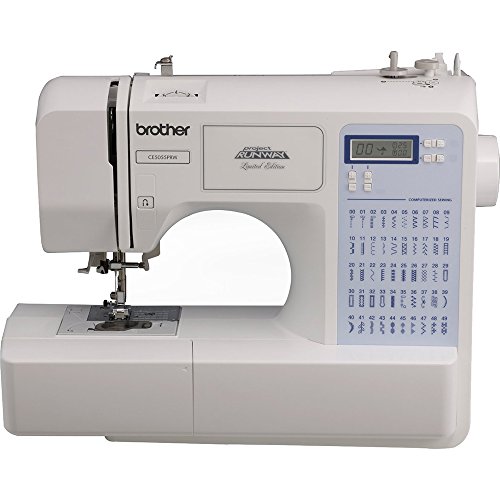
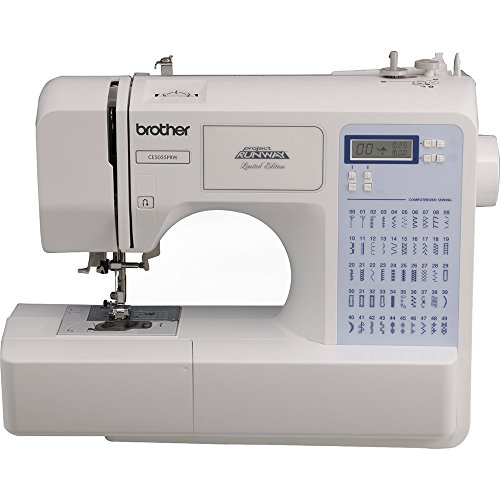
Quilting a large quilt on a regular sewing machine can be a rewarding experience, allowing you to create beautiful, personalized pieces for your home. With the right techniques and tools, you can achieve stunning results while managing the size of the quilt. This guide will walk you through the process and ensure you have a safe and enjoyable quilting journey.
Disclosure: As an Amazon Associate I earn from qualifying purchases.

Before starting, remember to keep your workspace clear and organized to prevent accidents. Always use sharp rotary cutters and scissors with care to avoid injuries.
What You’ll Need
- A regular sewing machine with a walking foot
- Quilt batting
- Backing fabric
- Quilt top (your pieced design)
- Safety pins or basting spray
- Rotary cutter and cutting mat
- Quilting templates (for precise cutting)
- Thread (preferably cotton)
- Iron and ironing board
- A large, flat workspace
Step-by-Step
- Prepare Your Quilt Layers: Lay your backing fabric right side down on a flat surface. Then, place the quilt batting on top, followed by your quilt top right side up. Smooth out any wrinkles as you layer.
- Baste the Layers: Use safety pins or basting spray to secure the three layers together. Start from the center and work your way out to avoid shifting.
- Set Up Your Sewing Machine: Attach the walking foot to your sewing machine. This foot helps feed multiple layers of fabric evenly, which is essential for quilting.
- Quilt the Layers: Begin quilting from the center of the quilt and work your way outwards. Use a straight stitch or a free-motion quilting technique, depending on your comfort level.
- Trim Excess Batting and Backing: Once you finish quilting, trim any excess batting and backing fabric to match the edges of your quilt top.
- Bind the Quilt: Prepare your binding strips by cutting and sewing them together. Attach the binding to the edges of your quilt, folding it over to the back and sewing it down.
- Final Pressing: Give your quilt a good press with an iron to remove any wrinkles and ensure the binding lays flat.
- Display or Gift Your Quilt: Once finished, your quilt is ready to be displayed or gifted. Enjoy the fruits of your labor!
Pro Tips for Better Results
- Practice free-motion quilting on scrap fabric to build confidence.
- Use a larger sewing machine needle to accommodate multiple layers.
- Keep thread tension balanced for a smooth finish.
- Make sure to frequently check your quilt layers for any bunching.
Common Mistakes
- Not basting layers securely, which can lead to shifting.
- Using too small of a needle, causing skipped stitches.
- Forgetting to adjust thread tension, which can create puckered seams.
- Quilting too tightly, which can distort the quilt’s shape.
Troubleshooting
- If your fabric is puckering, check your thread tension and ensure you are using a walking foot.
- If your stitches are skipping, change to a new needle and ensure it is the correct size for your fabric.
- If you experience thread breakage, use high-quality thread and check for any snags in the machine.
Maintenance / Next-Time Checklist
- Clean your sewing machine after each project to prevent lint buildup.
- Check and replace the needle regularly for optimal performance.
- Organize your quilting supplies and tools for easy access next time.
- Practice any new techniques on smaller projects before tackling a large quilt.
Recommended Products & Tools
- How To Use Your Sewing Machine: A Complete Guide for Absolute Beginners – This book is perfect for those new to sewing and provides essential tips on operating your machine effectively.
- The Complete Guide to Machine Quilting – This guide helps you achieve hand-quilting effects using your home sewing machine, enhancing your skills and creativity.
- Machine Quilting for Beginners Book – Ideal for those looking to learn step-by-step techniques, this book builds foundational skills necessary for quilting.
- The Quilted Bear Square Quilting Templates – These templates ensure precise cuts and help maintain accuracy in your quilting projects.
FAQ
- Can I quilt a large quilt on a small sewing machine? Yes, but it may require more effort and careful maneuvering. Consider using a walking foot for better control.
- What is the best thread for quilting? Cotton thread is widely recommended for quilting due to its strength and variety of colors.
- How do I prevent my quilt from puckering? Make sure to baste your layers securely and maintain even tension while sewing.
- Is it necessary to pre-wash my fabric? Pre-washing fabric can help prevent shrinkage and bleeding, but it is not mandatory.
- How long does it take to quilt a large quilt? The time can vary based on your skill level and the complexity of the design, but it generally takes several hours to a few days.
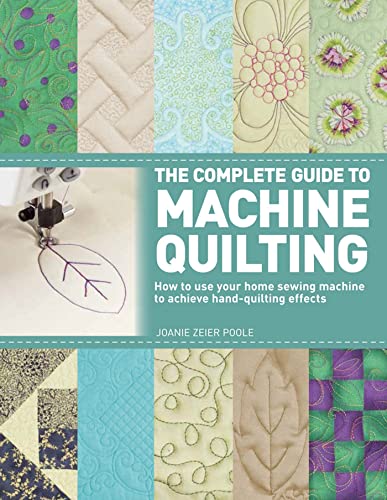
- St. Martin's Books-The Complete Guide To Machine Quilting
Wrap-Up
Quilting a large quilt on a regular sewing machine can be a fulfilling project that showcases your creativity and skills. By following this guide, you’ll be equipped to tackle your next quilt with confidence. Remember to practice and enjoy the process, as each quilt you create will enhance your abilities and bring joy to your sewing experience.
Recommended Products & Tools
- St. Martin's Books-The Complete Guide To Machine Quilting

- Annie's Machine Quilting For Beginners Book
- Annie's Machine Quilting For Beginners Book- For every quilter the time comes when they …
- Quilting is icing on the cake, the finishing touch to the design.

- Perfect Shapes Every Time – Quilting & Sewing with confidence. This 8-piece quilting tem…
- Durable Acrylic Material: Crafted from high-quality acrylic, our sewing templates provid…
- Non-Slip Grip for Easy Cutting – Built-in grips prevent slipping, so your templates stay…