How to Reduce Sewing Pattern Fabric Waste: Smart Tips for Eco Friendly Sewing
Sewing Pattern Secrets!
Looking for an honest, in-depth look at Sewing Pattern Secrets!? Below you’ll find a full review, but you can also check out the official page here:
Sewing is a rewarding craft that combines creativity with practicality. However, one common challenge many sewists face is managing fabric waste efficiently. Sewing pattern fabric waste reduction is not only good for your budget but also an important step toward more eco friendly sewing practices. In this post, we’ll explore actionable strategies to minimize fabric waste through efficient cutting and share useful fabric saving tips that can help you become a more sustainable sewist.
Disclosure: As an affiliate, I may receive a commission if you purchase through links on this page at no cost for you.
Why Focus on Reducing Fabric Waste?
Fabric waste contributes significantly to environmental issues, from excess landfill to the carbon footprint of textile production. By reducing waste, you:
- Save money by using fabric more effectively
- Reduce your environmental impact
- Create cleaner, more organized sewing projects
- Improve your overall sewing efficiency
It’s a win-win situation: better for your wallet and better for the planet.
Understanding Fabric Waste in Sewing Patterns
Fabric waste often results from inefficient layout of pattern pieces, inaccurate cutting, and lack of planning. Traditional printed or digital sewing patterns sometimes don’t provide clear guidance on optimal fabric usage, which can lead to excess scraps and wasted yards.
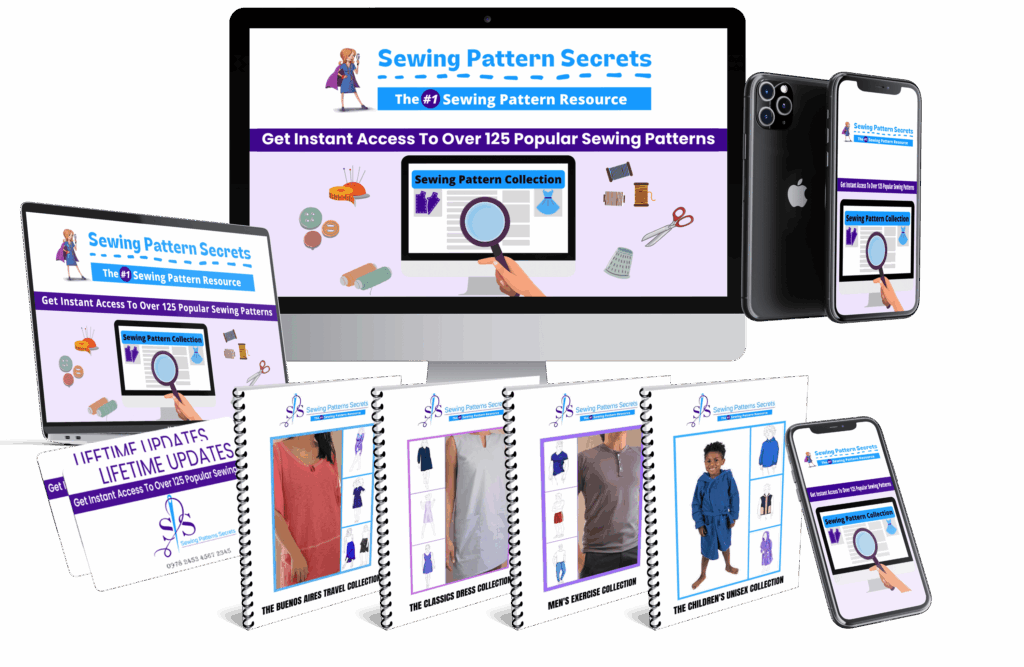
Luckily, some modern resources—including Sewing Pattern Secrets!—offer detailed cutting layouts and material lists to help reduce waste significantly.
Top Fabric Saving Tips for Efficient Cutting
Here are some proven tips to cut down your fabric waste when working with sewing patterns:
- Pre-wash and press fabric: Pre-washing prevents shrinkage after cutting, avoiding the need to redo pieces.
- Use pattern weights instead of pins: This keeps fabric flat and prevents shifting, ensuring accurate cutting.
- Lay fabric on a flat surface: Avoid folding fabric multiple times; spread it out fully to visualize the best layout.
- Follow exact cutting layouts: Many patterns include efficient layouts; use them to maximize fabric usage.
- Cut pieces strategically: Place smaller pieces in gaps between larger ones to utilize every inch of fabric.
- Use rotary cutters and sharp scissors: Precision tools reduce jagged edges and mistakes that lead to scrap.
- Plan pattern placement along the grain: Align pieces carefully to prevent distortion and fabric waste.
- Consider directional prints and nap: These require careful placement, but planning ahead avoids cutting errors.
Efficient Cutting Techniques to Minimize Waste
Efficient cutting is key to fabric waste reduction. Here are some techniques that can help:
1. Nesting Pattern Pieces
Nesting means arranging pattern pieces close together and sometimes overlapping edges where possible. This technique reduces gaps and maximizes fabric usage.
2. Cutting Multiple Layers
If your fabric and pattern allow, cutting multiple layers at once can speed up the process and reduce waste from repeated layouts.
3. Using Digital Pattern Layout Tools
Some sewing pattern platforms provide software tools that optimize piece placement digitally. These help visualize the most fabric-efficient layout before cutting.
4. Cutting Bias or Straight Grain Strategically
Understanding fabric grainlines helps you place pieces in ways that reduce distortion and waste. For example, bias cuts can stretch more, so plan accordingly.
Additional Fabric Saving Tips for Eco Friendly Sewing
Beyond cutting, consider these tips to foster sustainability in your sewing projects:
- Repurpose fabric scraps: Use smaller leftover pieces for patchwork, appliqué, or accessories.
- Choose eco-friendly fabrics: Organic cotton, linen, and recycled fibers reduce environmental impact.
- Buy only what you need: Use detailed material lists and measurements from trusted patterns to avoid excess fabric purchase.
- Swap or donate leftover fabric: Share your scraps with other sewists or local crafting groups.
- Practice mindful sewing: Plan projects carefully, avoid impulse buying, and focus on quality over quantity.
How “Sewing Pattern Secrets!” Supports Fabric Waste Reduction
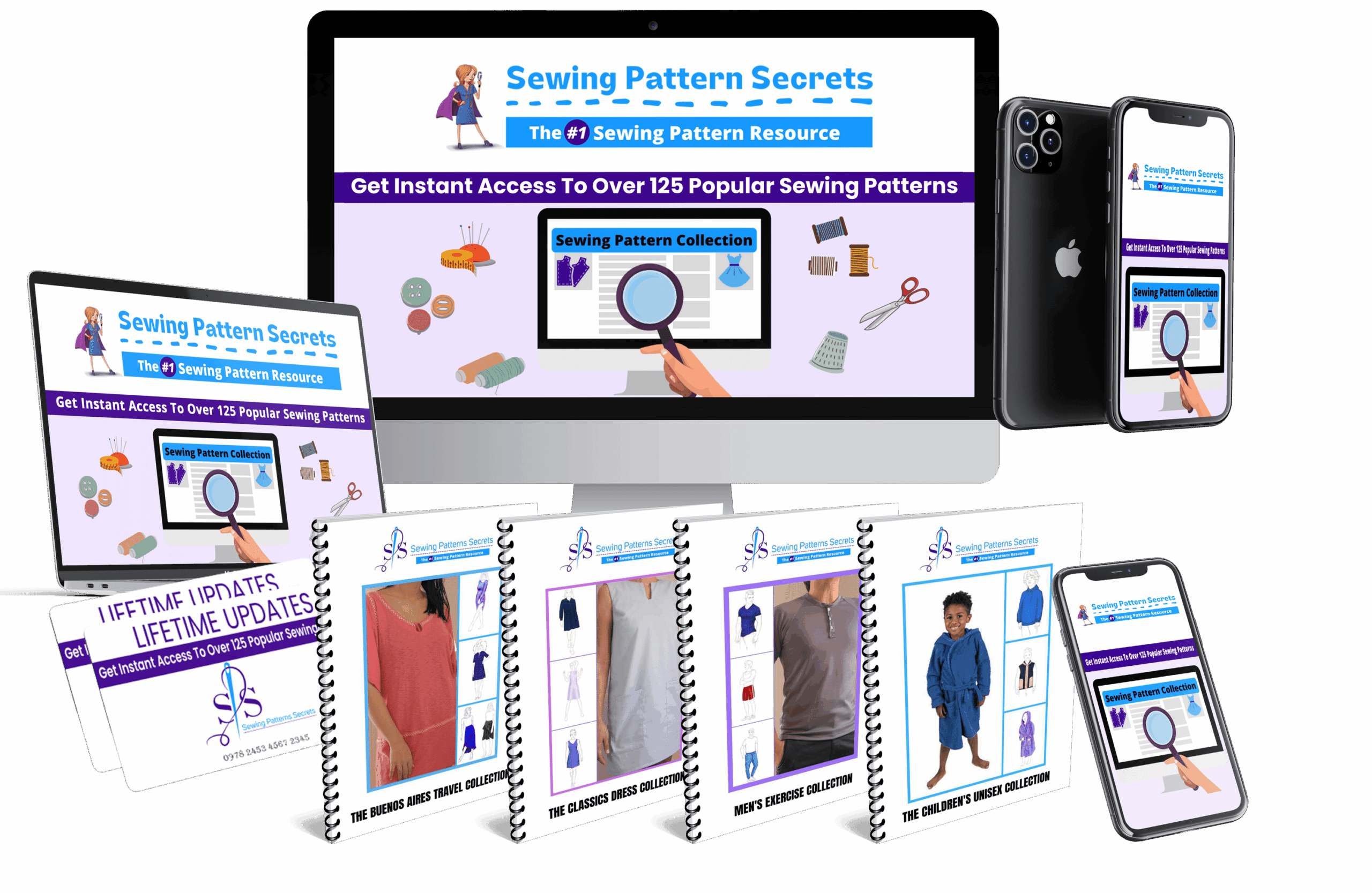
The Sewing Pattern Secrets! collection is designed to help sewists reduce fabric waste with features like:
| Feature | Benefit for Waste Reduction |
|---|---|
| Exact Cutting & Material Lists | Buy precise fabric amounts, avoiding over-purchasing and leftover scraps |
| Detailed Schematics | Clear instructions reduce mistakes and re-cuts that cause waste |
| Step-by-Step Instructions | Helps complete projects efficiently, minimizing trial-and-error waste |
| Multiple Views and Angles | Visual guidance prevents misinterpretation and fabric errors |
Start Reducing Fabric Waste Today
Incorporating fabric waste reduction strategies into your sewing routine not only saves money but also contributes to a healthier planet. With the right tools and mindset, you can sew beautiful projects more sustainably.
If you want to accelerate your learning and sew smarter, faster, and with less waste, check out the Sewing Pattern Secrets! collection. It offers over 155 easy-to-follow patterns with expert guidance that will transform your sewing experience.
Claim Your $10 Discount & Sew Smarter Now!
Embrace efficient cutting and fabric saving tips today to sew with less waste and more joy.
Ready to Take the Next Step?
If Sewing Pattern Secrets! sounds like the right fit after reading this review, you can visit the official page and see all the details straight from the vendor.