Sewing Pattern Troubleshooting: Your Guide to Solving Common Sewing Pattern Issues
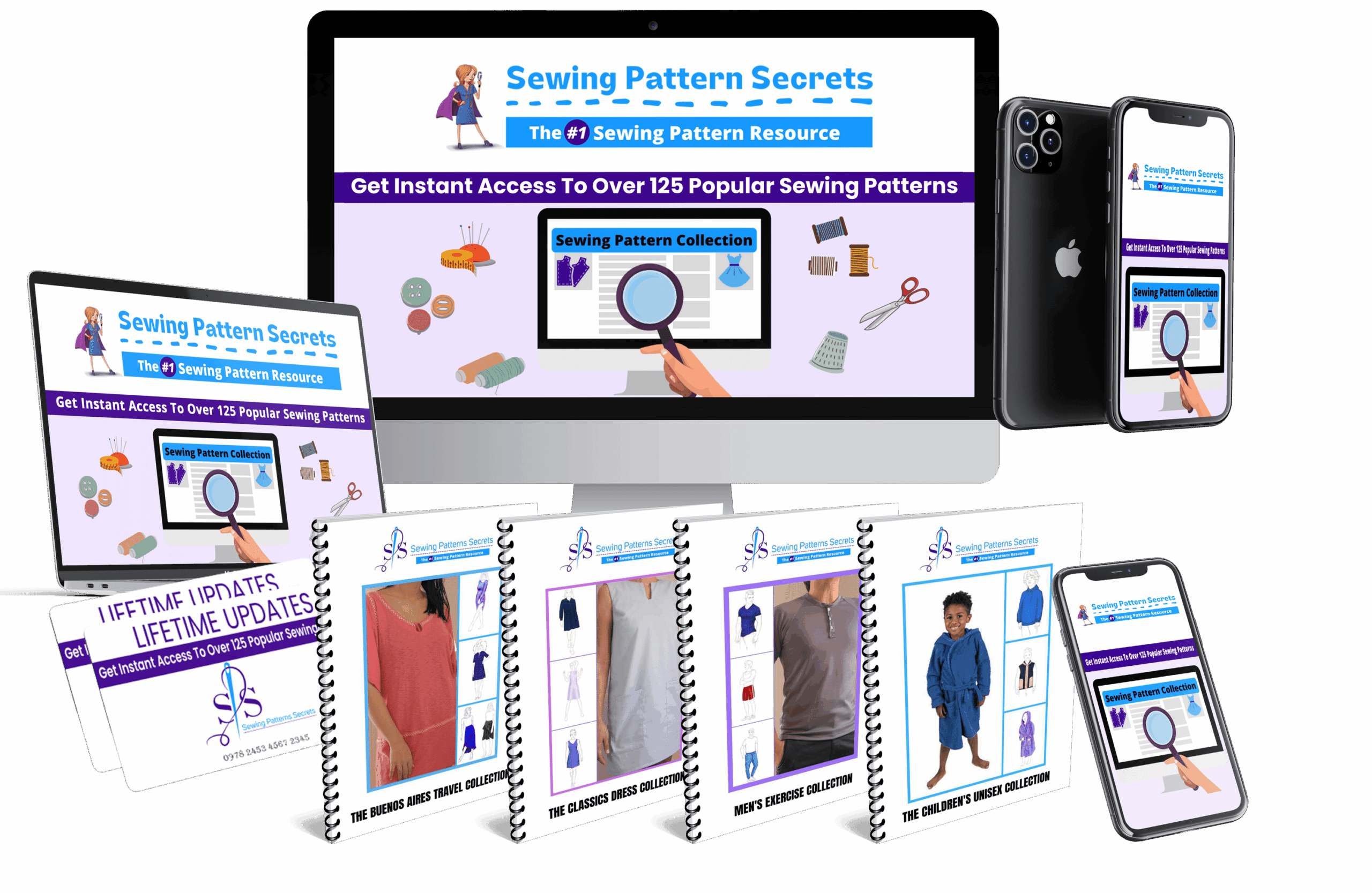
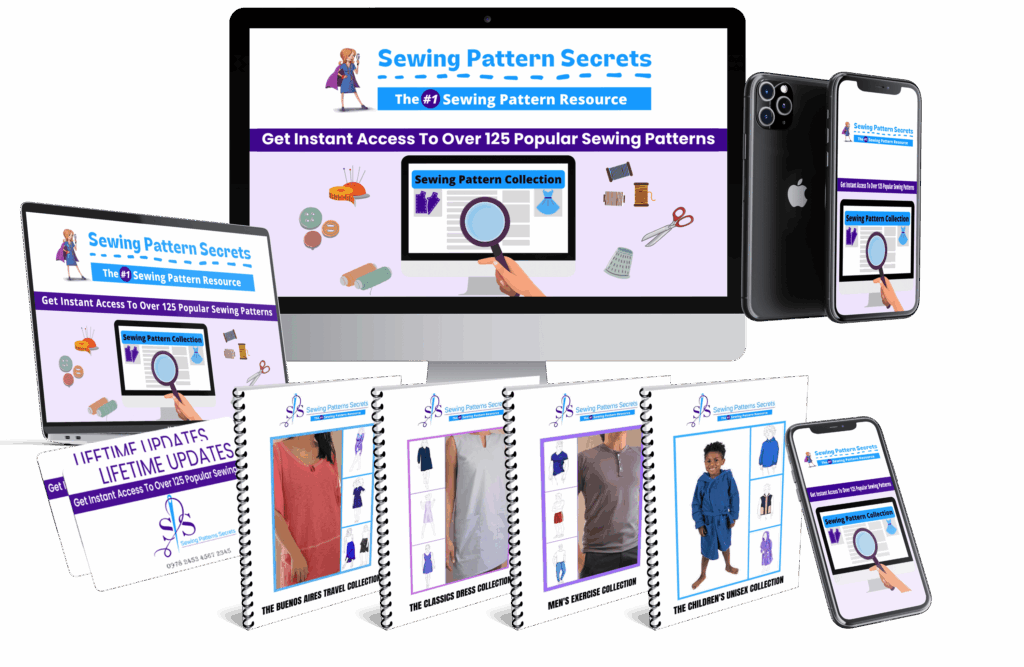
Sewing Pattern Secrets!
Looking for an honest, in-depth look at Sewing Pattern Secrets!? Below you’ll find a full review, but you can also check out the official page here:
Whether you’re a beginner or an experienced sewist, encountering problems with sewing patterns is part of the journey. From confusing instructions to fit problems, sewing pattern troubleshooting can save you time, frustration, and wasted materials. In this article, we’ll answer some of the most frequently asked questions about fixing sewing mistakes and common sewing pattern issues to help you sew with confidence.
Disclosure: As an affiliate, I may receive a commission if you purchase through links on this page at no cost for you.
Sewing Pattern FAQs: Answers to Common Concerns
1. Why doesn’t my sewing pattern fit as expected?
Fit problems often stem from inaccurate measurements or pattern sizing differences. Always measure yourself carefully and compare those measurements to the pattern’s size chart. Keep in mind that patterns may vary between brands and designers, so don’t assume your usual size will fit perfectly. Also, consider fabric stretch and ease allowances when choosing your size.
2. How can I fix a sewing pattern that is too large or too small?
If the pattern is too large, try adjusting the seam allowances by trimming excess fabric or taking in seams. For patterns that are too small, you can add seam allowances or create a small gusset to increase room. In some cases, you may need to grade the pattern by blending between sizes for a better fit. Detailed pattern grading tutorials can guide you through this process.
3. What should I do if the instructions are unclear or confusing?
Many sewing patterns come with minimal or complicated instructions. To troubleshoot, look for online tutorials or videos that demonstrate the same pattern or similar techniques. Sewing communities and forums can also be invaluable for advice. Additionally, consider investing in sewing pattern collections that offer clear, step-by-step guidance and schematics to eliminate guesswork.
4. How do I handle fabric recommendations in sewing patterns?
Using the recommended fabric type is crucial for the final garment to look and perform as intended. If your fabric choice differs, you might face issues such as poor drape or fit. Always test a small swatch and make a muslin (practice garment) to see how your fabric behaves before cutting into your final material.
5. Can I customize a sewing pattern to suit my style or needs?
Absolutely. Many sewists modify patterns to add personal touches or adjust for different fits. This might include changing neckline shapes, adding pockets, or altering lengths. However, modifications should be done carefully to maintain the garment’s structure. Start with small changes and test them with a muslin to avoid costly mistakes.
6. What are the best ways to avoid wasting fabric on sewing mistakes?
Planning is key. Use pattern weights instead of pins to avoid shifting, cut carefully following grainlines, and always double-check your markings. Making a muslin prototype can help you identify fit issues before cutting your fashion fabric. Also, keep sharp scissors and proper tools on hand for precise cutting and sewing.
7. How do I fix common sewing mistakes like uneven seams or puckering?
Uneven seams can be corrected by carefully ripping stitches with a seam ripper and resewing slowly, keeping the fabric aligned. Puckering often results from incorrect tension or using the wrong needle size. Adjust your machine’s tension settings and use needles suitable for your fabric type to minimize puckering. Practice on scraps before sewing the main project.
Common Sewing Pattern Issues and How to Address Them
- Inaccurate sizing: Measure twice, select the correct size, and consider grading between sizes.
- Poor instructions: Seek patterns with detailed step-by-step guides or use supplementary tutorials.
- Fabric incompatibility: Choose fabrics as recommended or test alternatives with muslins.
- Pattern distortion: Handle patterns carefully and store flat to avoid warping.
- Confusing markings: Transfer all pattern markings clearly with tailor’s chalk or fabric pens before cutting.
Quick Reference: Troubleshooting Checklist
| Issue | Cause | Fix |
|---|---|---|
| Garment too tight | Incorrect size or no ease | Grade pattern larger or add seam allowances |
| Garment too loose | Wrong size or too much ease | Take in seams or choose smaller size |
| Uneven seams | Fabric slipping or uneven feeding | Sew slowly, use pins or weights, realign fabric |
| Puckering stitches | Wrong tension or needle | Adjust tension, change needle size/type |
| Confusing instructions | Minimal or poor pattern directions | Use detailed patterns or online video tutorials |
Why Choose Quality Sewing Patterns?
Investing in well-designed sewing patterns can dramatically reduce the time and stress involved in your projects. Patterns like those offered in Sewing Pattern Secrets! provide clear instructions, exact material lists, detailed schematics, and multiple views to guide you every step of the way. Whether you’re crafting simple accessories or complex garments, these patterns help you avoid common pitfalls and produce professional results.
Ready to transform your sewing experience? Discover Sewing Pattern Secrets today and start sewing with confidence!
Get Your Step-by-Step Sewing Patterns Now
Ready to Take the Next Step?
If Sewing Pattern Secrets! sounds like the right fit after reading this review, you can visit the official page and see all the details straight from the vendor.