Mastering Sewing Pattern Cutting Layouts: A Complete Guide
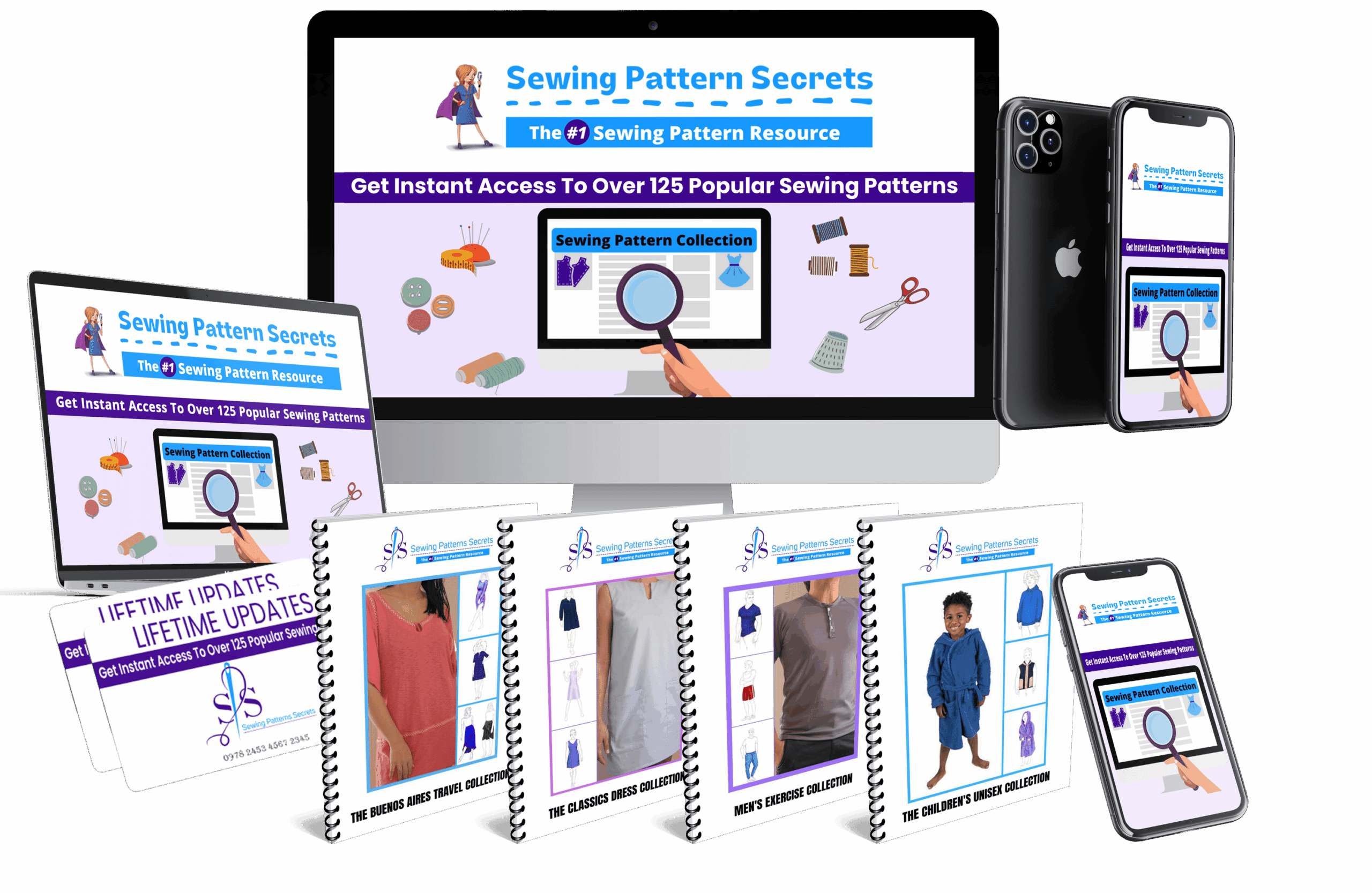
Sewing Pattern Secrets!
Looking for an honest, in-depth look at Sewing Pattern Secrets!? Below you’ll find a full review, but you can also check out the official page here:
When it comes to sewing, one of the foundational steps that can make or break your project is how you approach sewing pattern cutting layouts. Proper layout planning ensures efficient use of fabric, accuracy in cutting, and ultimately, a polished finished product. Whether you’re a beginner or an experienced sewist, understanding the best practices for cutting fabric for sewing can save you time, money, and frustration.
Disclosure: As an affiliate, I may receive a commission if you purchase through links on this page at no cost for you.
Why Are Sewing Pattern Cutting Layouts Important?
Sewing pattern cutting layouts refer to the arrangement of pattern pieces on fabric before cutting. A well-planned layout helps you:
- Optimize fabric usage, reducing waste and saving money.
- Maintain fabric grain alignment, which is crucial for garment fit and drape.
- Ensure accurate cutting, preventing mistakes that can ruin your sewing project.
- Follow fabric cutting guides that recommend the best way to place pattern pieces.
Understanding Fabric Cutting Guides
Fabric cutting guides are instructions or diagrams that show you how to position your sewing patterns on the fabric. They take into account factors such as fabric width, nap direction, pattern repeats, and grainline. Here are some key points to consider:
- Grainline Awareness: Always align pattern pieces parallel to the fabric’s selvedge edge unless otherwise specified.
- Fabric Fold: Many patterns require you to place pieces on the fabric fold to create symmetrical parts.
- Directional Fabrics: If your fabric has a pattern or nap (like velvet), follow the cutting guide carefully to maintain design consistency.
- Layout Types: Patterns often provide multiple layout options depending on fabric width and project size. Choose the layout that best fits your fabric and project needs.
How to Use Sewing Pattern Material Lists Effectively
Before cutting, review the sewing pattern material lists provided with your pattern. These lists specify the types and amounts of fabric and notions required. Using these lists helps you:
- Purchase the correct amount of fabric, avoiding overbuying or running short.
- Gather all necessary materials before starting, ensuring a smooth workflow.
- Understand fabric requirements based on garment size and style variations.
Always double-check the fabric width mentioned in the material list, as using a different width affects layout and fabric consumption.
Step-by-Step Guide to Cutting Fabric for Sewing
Cutting fabric accurately is critical for a successful sewing project. Follow these actionable steps to get it right every time:
- Pre-wash and iron your fabric. This prevents shrinkage and removes wrinkles that can distort the pattern layout.
- Identify and mark the grainline on your fabric. Use the selvage edges as reference points.
- Pin or weight your pattern pieces. Secure them firmly to prevent shifting during cutting.
- Follow the cutting layout guide. Arrange your pattern pieces as instructed, ensuring grainlines and directional fabrics are correctly aligned.
- Use sharp fabric scissors or a rotary cutter. Cut carefully along the edges of each pattern piece without lifting the fabric.
- Mark all pattern notches and symbols. Use tailor’s chalk, fabric pens, or small snips to transfer important sewing marks.
Tips for Efficient and Accurate Cutting Layouts
- Use a large, flat surface: Avoid cutting on uneven or cluttered surfaces to maintain precision.
- Work in good lighting: This helps you see grainlines, pattern markings, and fabric details clearly.
- Double-check orientation: Especially for symmetrical pieces, ensure they are mirrored correctly on the fabric.
- Keep pattern pieces organized: Label them if necessary to prevent confusion during assembly.
- Practice makes perfect: The more you work with different fabrics and layouts, the faster and more confident you’ll become.
Example Cutting Layout Table
| Fabric Width | Project Type | Layout Style | Fabric Required |
|---|---|---|---|
| 45 inches | Women’s Blouse | Single Fold Layout | 2 yards |
| 60 inches | Children’s Dress | Double Fold Layout | 1.5 yards |
| 54 inches | Men’s Shirt | Flat Layout with Nap Consideration | 2.25 yards |
Unlock More Sewing Pattern Secrets!
Ready to take your sewing projects to the next level? With detailed sewing pattern cutting layouts, comprehensive fabric cutting guides, and precise sewing pattern material lists, you can speed up your sewing process and improve your results dramatically.
Claim Your $10 Discount Voucher Now — Sew Smarter, Faster, Happier!
Don’t let confusing layouts or wasted fabric hold you back. Discover the secrets that professional sewists use to create beautiful garments with ease.
Get Instant Access to 155+ Expert Sewing Patterns Today!
Ready to Take the Next Step?
If Sewing Pattern Secrets! sounds like the right fit after reading this review, you can visit the official page and see all the details straight from the vendor.